
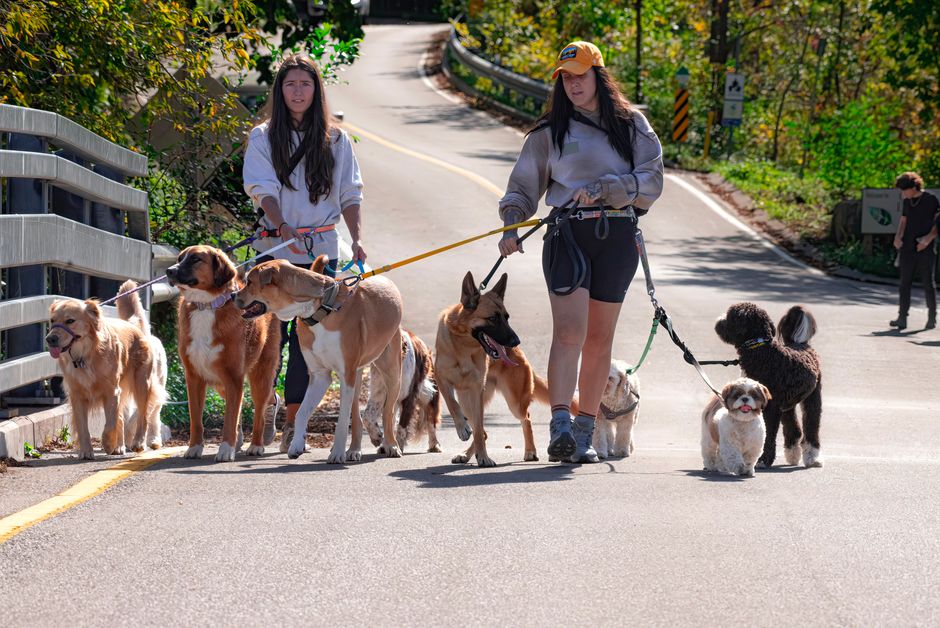
Walking your dog should be a pleasurable experience for both you and your pet, but it can quickly become frustrating if your dog constantly pulls on the lead. Understanding how to stop your dog pulling on the lead is essential not only for your comfort but also for your dog’s safety and training progress. This article explores effective, practical techniques and useful accessories that can aid in curbing this common issue.
Understanding Why Dogs Pull on Leads
Before addressing the problem, it’s important to understand why dogs pull on leads. Dogs are naturally curious creatures and walking is an exciting time to explore new smells, sights, and sounds. Pulling can also stem from a lack of training or excessive energy. Recognizing the root cause will help you choose the most effective strategy for your dog.
Basic Training Techniques to Control Pulling
Implementing consistent training methods can significantly reduce lead pulling. Here are some foundational techniques:
- Positive Reinforcement: Reward your dog with treats or praise when they walk calmly beside you. This encourages good behavior and makes walking more enjoyable.
- Stop and Go: When your dog starts to pull, stop walking immediately. Resume only when the lead is slack. This teaches your dog that pulling halts progress.
- Change Direction: If your dog pulls, change direction abruptly. This requires your dog to pay attention to your movements, reducing forward pulling.
- Use a Consistent Command: Use commands like “heel” or “easy” to signal your dog to slow down or walk beside you.
Choosing the Right Equipment
Proper equipment can support training efforts and improve control during walks. Selecting the right dog collar and leash or opting for a dog harness can make a significant difference.
- Front-Clip Harnesses: These harnesses discourage pulling by gently redirecting the dog’s movement toward you, reducing strain on the neck.
- Head Collars: Similar to a horse’s halter, these provide control over the dog’s head and can reduce pulling without causing pain.
- Standard Leashes: A sturdy, non-retractable leash of appropriate length is recommended for better control and training effectiveness.
Incorporating Dog Training and Accessories
Training aids and accessories can enhance your ability to manage pulling behavior:
- Dog Toys: Bringing your dog’s favorite toy on walks can be used as a reward or distraction to maintain focus.
- Pet GPS Tracker: While not directly related to pulling, a GPS tracker offers peace of mind if your dog escapes during walks or training sessions.
- Anti-Bark Collars: For dogs that pull and bark excessively, these collars may help control disruptive behavior when used responsibly.
Consistency and Patience Are Key
Changing a dog’s walking habits requires time and patience. Consistency in training and use of equipment is crucial. Regularly practicing walks in different environments helps your dog generalize good behavior. Remember, every dog learns at their own pace, and setbacks are part of the process.
Enhancing Walks with Additional Pet Accessories
Beyond the basics of lead training, improving your dog’s overall walking experience can reduce pulling tendencies. Comfortable pet sleeping comfort at home, engaging dog grooming sessions, and enriching dog toys contribute to a happier, calmer dog. Additionally, pet travel accessories can make outings smoother, encouraging better behavior on walks and trips.
Walking Towards Better Behavior
Addressing lead pulling effectively combines understanding your dog’s motivations, applying consistent training techniques, and choosing the right accessories to support your goals. By implementing these strategies, walks can become more enjoyable, safe, and controlled for you and your dog. Patience and persistence will ensure progress, transforming your daily walks into a peaceful bonding time.